

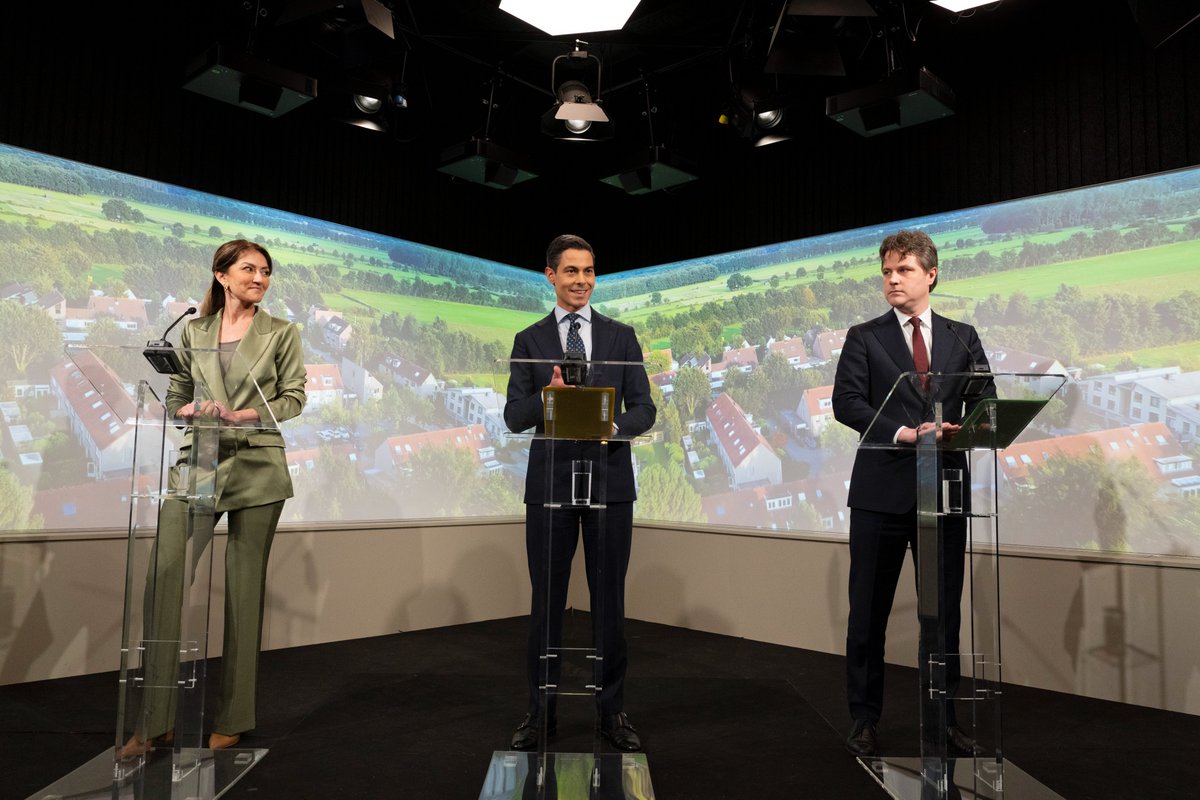
The new coalition agreement addresses decades-old issues like aging and labor shortages, which were predictable thirty years ago. Despite warnings in literature and education, adequate intervention remained absent. Now, failing leadership and a lack of industrial renewal force the current generation to make sacrifices. While the earth changes climate autonomously, the citizen pays the price for overdue policy and lack of vision.
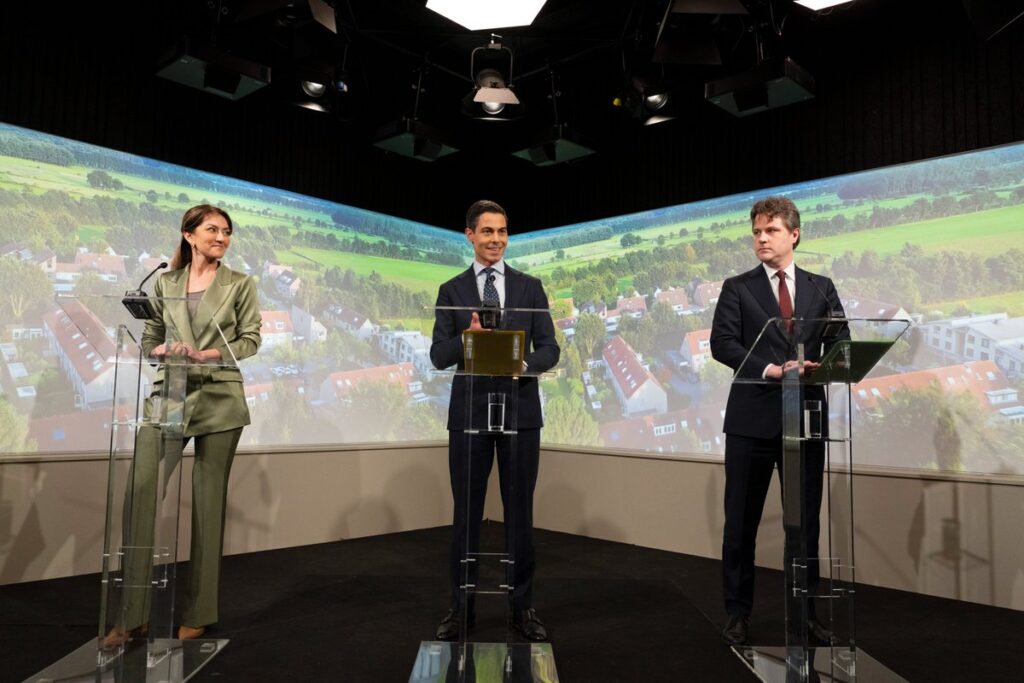
This week, a new coalition agreement was concluded in the Netherlands for a minority cabinet between three political parties: D66, VVD, and CDA. In this agreement, the parties announced a series of measures that, from a historical perspective, align perfectly with socio-economic problems that have been known in Dutch society for decades. The core of the new policy focuses on drastically shortening unemployment benefits to a maximum duration of one year, a further increase in the retirement age (A.O.W.), stricter rules for asylum applications, and a significant financial injection for the Dutch armed forces.
Historical Policy Cycles and Demographic Foresight
One might wonder whether this coalition agreement is simply “old wine in new bottles.” The necessity for these measures did not appear out of thin air. At least thirty years ago, available scientific literature and demographic reports already indicated that the Netherlands was irrevocably heading toward a massive aging wave. The roots of this problem lie deep in the history of the twentieth century. On one hand, there was the high number of male casualties during World War II; on the other, the sharply declining birth rates in the decades following the post-war reconstruction.
The Legacy of Post-War Population Dynamics
This shortage of labor was a predicted scenario, widely communicated within various educational programs and policy institutes during a time of steady economic growth and increasing collective prosperity. The current tightness in the labor market is therefore not a sudden crisis, but the result of a decades-long process. Nevertheless, the pressing question remains: has structural work actually been done in the meantime to find solutions, or has the inevitable demographic pressure simply been pushed forward onto future generations? The figures were crystal clear back then, yet the political urgency to timely adapt the economy to a shrinking workforce seemed to be lacking.
Labor Market Resilience and Global Economic Trends
For many people, me included, the current shortage of labor in almost all sectors is no surprise at all. Although previous cabinets undoubtedly considered strategies to absorb the pressure of aging, the sober conclusion must be that these attempts have largely failed. We now find ourselves in a paradoxical situation compared to the 1970s. In 그 period, the Netherlands experienced an explosively growing economy, allowing wages and social benefits to grow alongside general prosperity.
Stagnation and the Cost of Economic Inaction
Today, however, we must “suffer the consequences.” The system has reached its limits, and we are faced with the necessity of cutting costs on almost all fronts. This applies not only to direct economic resources but also to the choices we make under the guise of environmental protection. We have ended up in a climate of scarcity, where the government is forced to make unpopular decisions that directly hit the citizen’s wallet. The flexibility we had in the twentieth century has been traded for a rigid necessity for austerity.
Environmental Evolution vs. Industrial Productivity
Many of these cuts are presented as necessary to supposedly save our environment. However, if you follow the development of our earth over several millennia, you see that the environment has changed repeatedly over time. This happened even without plastic and exhaust fumes; the world adjusts its own environment whenever it chooses. Ice ages and periods of temperature increase are of all times. Yet, the current citizen is asked to make sacrifices that directly affect their standard of living, while the earth’s natural cycles take place outside of our full control.
The Innovation Gap in Modern Manufacturing
We must now, just like in pre-World War Europe, work longer and harder for relatively less purchasing power. There is an enormous need for extra labour hours, simply because the industry and producers of this time never took the long-predicted aging population seriously in their business models. Instead of anticipating a shrinking workforce through far-reaching innovation, they continued to focus on the mass production of goods of which we basically already have more than enough. The real technological leap required to replace labour with efficiency has largely failed to materialize.
Commodity Surplus and the Failure of True Renewal
Look at the transport sector and the plastic industry: products did change form—for example, the transition from gasoline and diesel engines to electric drives—but the fundamental drive for more production remained unchanged. There was more and more supply without any real, revolutionary renewal or replacement of outdated systems, such as we saw after previous major global conflicts. The focus was on the continuity of the old rather than timely preparation for the new demographic reality. We are still consuming in a way that no longer fits the available manpower.
Leadership Accountability and Intergenerational Equity
In my view, there has never been an adequate response from political and industrial leadership to the hard facts of the past. Whether it concerns predictable changes in the climate, fluctuations in population growth, or shifts in global economic power relations; decision-making always lagged behind the facts. The citizen is now asked to take a step back and make sacrifices for the lack of vision among policymakers over the last thirty years.
Strategic Governance and the Path Forward
The new coalition agreement is therefore an attempt to fill gaps that were already visible decades ago. Increasing the pension age and tightening social security are bitter medicines for a condition that might have been less painful with timely intervention. The responsibility for the current pressure on society lies with a leadership that ignored the signals from literature and demography. We now face the challenge of finding a balance between the burdens of the past and the necessary investments in an uncertain future, hoping that this time we dare to face the facts.