

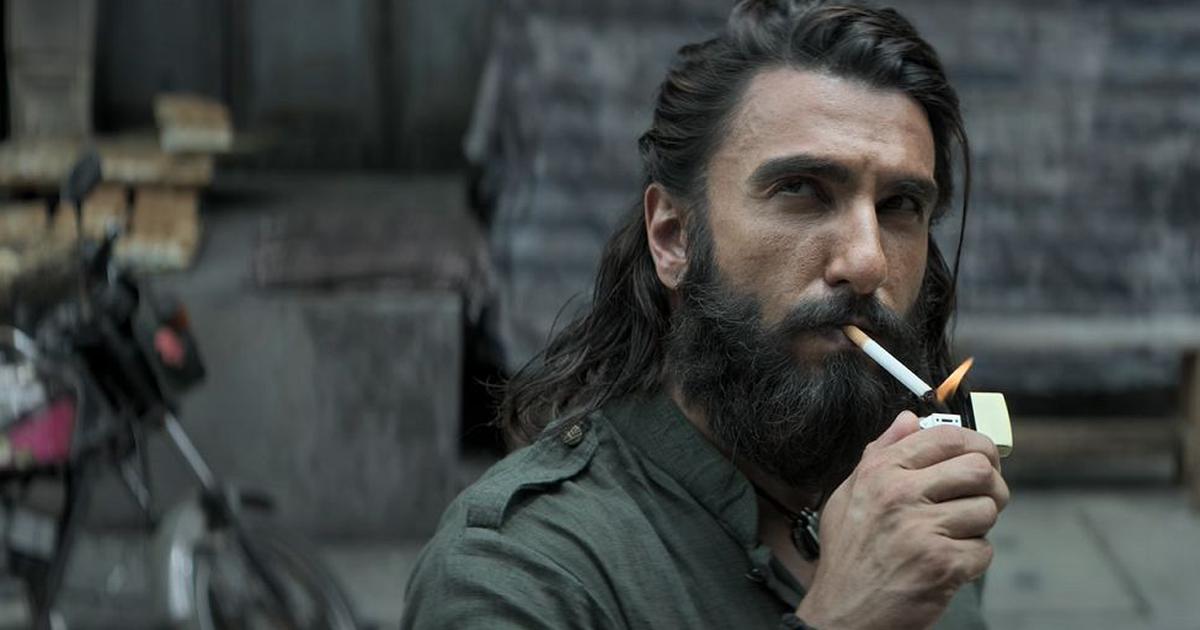
After the groundbreaking success of Uri: The Surgical Strike, expectations from filmmaker Aditya Dhar were astronomically high. With Dhurandhar, he returns after a long break, delivering a three-and-a-half hour mega-canvas saga that blends Indian mythology, geopolitical tension, large-scale military action, and emotional drama. The result is a film that is ambitious in scope, thunderous in execution, and deliberately designed to shake audiences out of their comfort zone.
A Film Built Like a Modern Epic
At 3 hours 32 minutes, Dhurandhar is unapologetic about its length because Dhar uses every minute to build a massive world. It’s a film that carries the DNA of Indian mythological epics while remaining grounded in present-day conflict.
The narrative is structured like a three-act epic:
A myth-rooted origin story connecting the protagonist to an ancient lineage echoing the idea of “Dhurandhar” — the undefeatable strategist-warrior.
A rising political and militaristic storm involving insurgency, betrayal, and a conspiracy that spans borders.
A monumental final act blending ground warfare, psychological combat, and a moral dilemma that becomes the emotional anchor of the story.
Dhar’s worldbuilding is dense but rewarding. The film repeatedly toggles between mythology-inspired symbolism and razor-sharp realism, making the story both timeless and relevant.
The performances in Dhurandhar are uniformly powerful. While the cast list has been kept guarded prior to release, the lead performances—especially the protagonist and the antagonist—carry the film like twin pillars.
The Protagonist
The lead actor delivers an emotionally fierce portrayal of a man torn between duty and destiny. His transformation—from a reluctant soldier to a mythically symbolic warrior—is executed with remarkable control. The physicality is brutal, the emotionality surprisingly tender.
The Antagonist
The villain is one of the film’s most striking strengths. Dhar invests deeply in crafting a complex antagonist whose motivations aren’t caricatures but morally twisted ideologies rooted in trauma. His presence elevates every major confrontation into something psychological rather than merely physical.
Supporting Cast
The ensemble cast contributes significantly, particularly in scenes involving tactical operations, political negotiations, and myth-symbolic flashbacks. No performance feels wasted; each character is a cog in the larger machinery.
Aditya Dhar’s creative fingerprints are everywhere:
Large-scale tactical action sequences infused with mythic echoes
Patient storytelling with long, atmospheric stretches
A focus on realism even in stylized environments
Push toward Indian folklore without losing military authenticity
Dhar has often expressed admiration for filmmakers who merge spectacle with emotional storytelling, and Dhurandhar reflects that aspiration. It feels part-Uri, part-Baahubali, part-Sicario, yet wholly rooted in Dhar’s own voice. This is a filmmaker working at the peak of his conviction.
The cinematography is stunning. Vikash Nowlakha crafts visual contrasts that serve as emotional metaphors:
Harsh desert combat zones lit with blazing, unforgiving sunlight
Ancient cave sequences illuminated with flickering torches resembling epic murals
Drone shots capturing military formations like mythological armies
Close-ups focusing on eyes—reflecting fear, fury, prophecy
The camera movements are controlled, immersive, and often symbolic. A notable sequence involving a ritualistic preparation for battle is shot like a modernized Ramayana tableau—one of the film’s visual highlights.
Dhurandhar is more than an action film. It explores.
The burden of inherited violence
How myths shape modern warfare
The thin line between patriotism and blind obedience
The conflict between personal life and national duty
How the past refuses to stay buried
The film is emotionally heavy because it invites audiences to question:
“Do heroes choose their destinies, or are they chosen by history?”
Dhurandhar is not a casual watch—it’s an experience.
It’s intense, thoughtful, beautifully crafted, and emotionally resonant. A nearly-masterful epic that cements Aditya Dhar as one of India’s most ambitious filmmakers.
Verdict
Dhurandhar is not a film for a casual viewing; it is an all-consuming experience. It is intense, beautifully crafted, profoundly thoughtful, and emotionally resonant. This is a nearly-masterful epic that firmly establishes Aditya Dhar as one of the most ambitious and essential filmmakers in contemporary Indian cinema.
The Review
Dhurandhar Reviews
Review of Dhurandhar (2025) — Aditya Dhar’s grand, myth-infused action epic starring a powerhouse cast. Release date, themes, music, cinematography, and verdict inside.
PROS
- The villain is a standout strength, crafted with complex, morally twisted motivations rooted in trauma, elevating confrontations beyond the physical.
- The narrative is structured like a rewarding, dense, three-act modern epic that seamlessly toggles between mythic symbolism and sharp realism.
- Vikash Nowlakha’s work is stunning, using visual contrasts (desert light vs. cave torches) and symbolic camera work to create emotional metaphors.
CONS
- The film is unapologetic about its massive length of 3 hours 32 minutes, which may be challenging for casual viewers.
- he review notes it is not a casual watch and is emotionally heavy, suggesting it requires focused attention and may be taxing on the viewer.
Review Breakdown
-
Dhurandhar is not a film for a casual viewing; it is an all-consuming experience. It is intense, beautifully crafted, profoundly thoughtful, and emotionally resonant. This is a nearly-masterful epic that firmly establishes Aditya Dhar as one of the most ambitious and essential filmmakers in contemporary Indian cinema.