

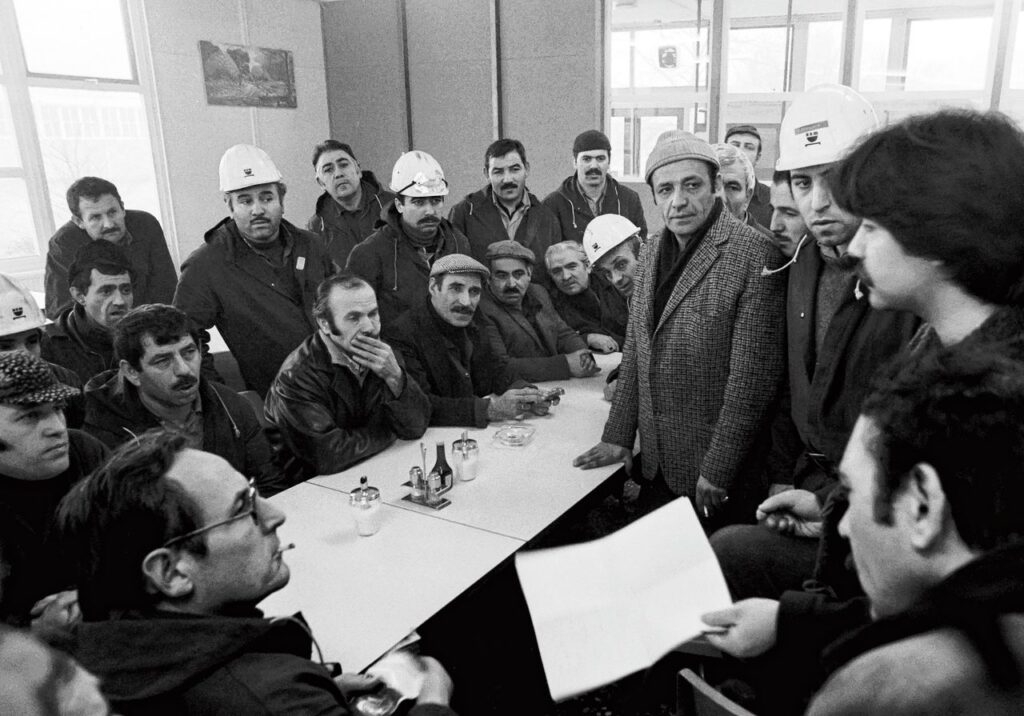
The Netherlands faces a dual challenge regarding migrant workers. On one hand, they are essential for filling labor shortages in agriculture, horticulture, and manufacturing due to an aging population. On the other hand, the influx of migrant workers creates social friction due to cultural and linguistic differences, challenging the country’s social cohesion and integration policies.
Migrant Workers in the Netherlands who Faces Economic Benefits and challenges
Post-World War II, many Western European countries, including the Netherlands, faced significant labor shortages. To rebuild their economies, they invited “guest workers” from countries like Italy, Turkey, and Morocco. These workers were initially recruited to take on jobs considered undesirable by the native population, such as those in construction, manufacturing, and manual labor. Over time, the demographics and origins of migrant workers evolved, with a significant influx from Central and Eastern European countries such as Poland, Bulgaria, and Romania.
The initial wave of guest workers played a crucial role in the post-war reconstruction and economic boom. They filled essential roles in various sectors, contributing significantly to economic growth. However, the integration of these workers into Dutch society was not always smooth. Cultural differences, language barriers, and social segregation often led to tensions between migrant communities and native Dutch residents.
Impact on the Dutch Economy
Migrant workers have been instrumental in the growth of the Dutch economy. According to SEO economic research commissioned by the temporary employment umbrella organization ABU, the number of labor migrants in the Netherlands quadrupled between 2006 and 2021. Most of these workers come from Central and Eastern Europe, with Poland being a significant source. These workers are often diligent and hardworking, filling critical roles in agriculture, horticulture, and industry.
The agricultural sector, in particular, relies heavily on migrant labor. Seasonal workers from Eastern Europe are vital for harvesting crops and maintaining the food supply chain. Similarly, the horticultural industry depends on these workers for planting, tending, and harvesting flowers and plants, a significant export commodity for the Netherlands. In manufacturing, migrant workers often take on roles that require manual labor, supporting industries that produce goods for both domestic consumption and export.
Language and Cultural Integration
A significant challenge posed by the influx of migrant workers is their integration into Dutch society. Many migrants do not prioritize learning the Dutch language or adopting local customs, leading to tensions, especially among older native Dutch residents who may find themselves unable to communicate with non-Dutch-speaking workers in everyday situations. This cultural divide is often exacerbated by employers who prioritize economic growth over social cohesion, expecting native customers and residents to adapt to the linguistic capabilities of migrant workers.
The lack of language skills and cultural integration can lead to social isolation for migrant workers. They may find it difficult to access services, participate in community activities, or build relationships with native Dutch residents. This isolation can also affect their mental health and well-being, making it harder for them to settle and contribute fully to society.
Efforts to improve integration have included language courses, cultural orientation programs, and community initiatives aimed at fostering understanding and cooperation between native and migrant populations. However, these efforts require significant investment and a long-term commitment to be effective.
The Future of the Dutch Labor Market
The Dutch economy heavily relies on migrant labor. If the flow of migrant workers were to suddenly stop, it could significantly disrupt the economy. The dependency on migrant labor highlights the need for a more sustainable and integrated approach to workforce development. As infrastructure ages and needs replacement, and as the economy grows, the demand for labor will continue to rise.
A sustainable approach to workforce development would involve investing in education and training for both native and migrant workers. This could help to address skill shortages and ensure that the labor market can adapt to changing economic needs. Additionally, improving working conditions and ensuring fair treatment for all workers, regardless of their origin, would help to attract and retain a diverse workforce.
The Dutch government and businesses must also consider the long-term implications of relying on migrant labor. Developing strategies to integrate migrants more effectively into society, ensuring they have access to education and training opportunities, and addressing social tensions will be crucial for maintaining social cohesion and economic stability.
Shifting Economic Centers
There is a growing trend of migrants returning to their home countries with the skills and knowledge they acquired abroad, which boosts their local economies. Countries like Poland, Turkey, and Morocco benefit from this reverse migration, as returning workers contribute to economic development back home. This dynamic could eventually shift economic power towards Eastern Europe, where lower labor costs and improving infrastructure make these countries attractive for investment and business operations.
As Eastern European countries develop and modernize their economies, they become more attractive to businesses seeking lower production costs and skilled labor. This shift could lead to increased competition for migrant workers, potentially reversing the flow of labor migration. Western European countries like the Netherlands may find it more challenging to attract and retain migrant workers as opportunities in Eastern Europe improve.
Western Europeans as Future Migrants?
The potential shift in economic centers raises the question of whether Western Europeans might become the new migrants seeking employment opportunities in Eastern Europe. If Eastern Europe continues to grow rapidly, it might attract workers from Western Europe, reversing the current trend of labor migration.
This shift could have significant implications for the Dutch economy and society. If Dutch workers begin migrating to Eastern Europe in search of better opportunities, the Netherlands may face even greater labor shortages. Additionally, the social dynamics of migration could change, with Western Europeans experiencing the challenges of integration and adaptation in new cultural and linguistic environments.
What is the Future of Migrants, Workers in Netherland?
The Netherlands, and Western Europe as a whole, must navigate the complex balance between economic growth and social integration. While migrant workers are crucial to the economy, it is essential to address the social challenges that arise from this dependency. The future may see significant changes in migration patterns and economic centers, with Eastern Europe playing an increasingly important role in the European economy. Preparing for these shifts will be crucial for sustaining economic stability and social harmony.
Policymakers, businesses, and communities must work together to develop strategies that ensure the sustainable integration of migrant workers. This includes investing in education and training, improving working conditions, fostering social cohesion, and preparing for potential shifts in migration patterns. By addressing these challenges proactively, the Netherlands can maintain its economic growth while ensuring a harmonious and inclusive society.
In conclusion, migrant workers play a vital role in the Dutch economy, but their presence also brings challenges that need to be managed carefully. As economic dynamics shift and new patterns of migration emerge, the Netherlands must adapt to maintain its economic prosperity and social stability.