

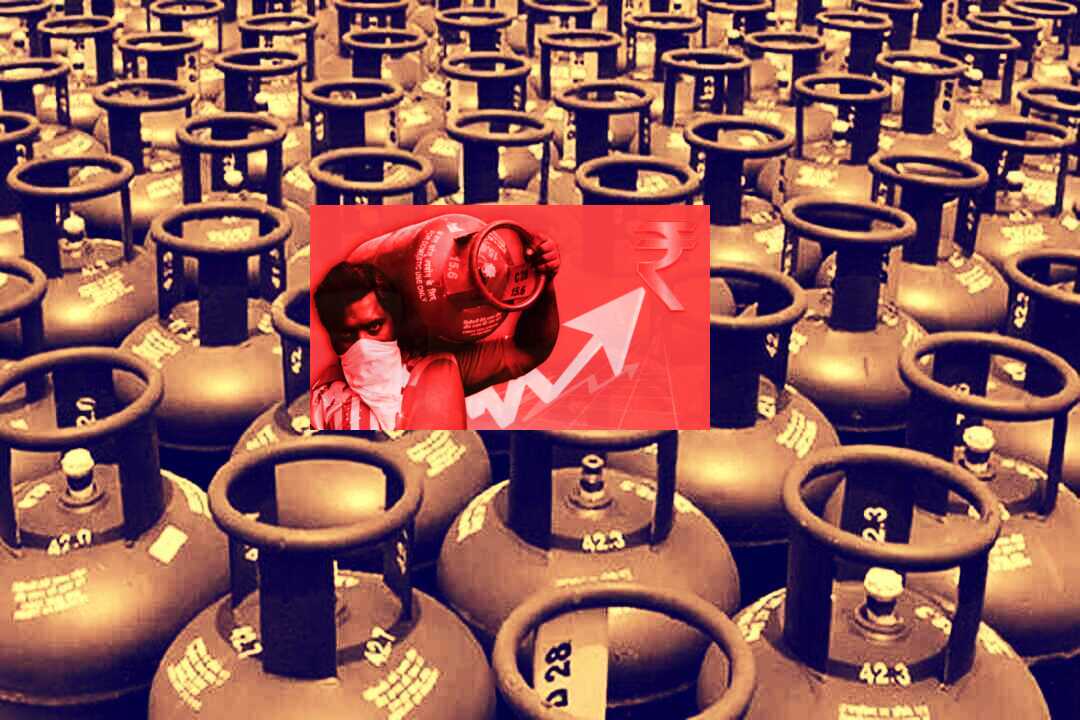
India is beginning to feel the economic ripple effects of the escalating conflict in the Middle East as the government announced a nationwide increase in LPG cylinder prices on March 7, 2026. The move comes on the eighth day of the ongoing tensions involving the United States, Iran, and Israel, which have begun to disrupt global energy supply chains.
Officials say the immediate trigger for the price hike is Iran’s decision to shut down the Strait of Hormuz, one of the world’s most critical oil transit routes. Nearly 20% of the world’s crude oil exports pass through this narrow waterway, and countries like India rely heavily on it for energy imports.
With supply routes under threat and global oil markets reacting sharply, Indian authorities have started implementing precautionary measures to manage a potential energy crisis.
LPG Prices Rise Across the Country
The Ministry of Petroleum and Natural Gas confirmed that both domestic and commercial LPG cylinders will see a significant increase in prices effective immediately.
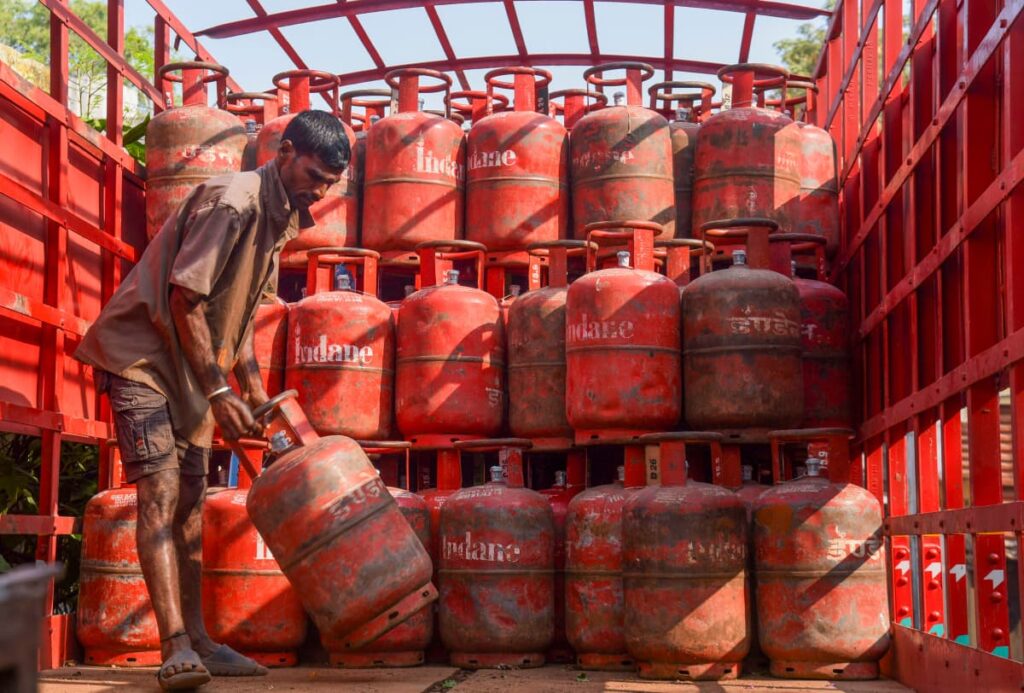
New LPG Prices (Effective March 7, 2026)
Domestic LPG Cylinders (14.2 kg)
- Price increased by ₹60 nationwide
Regional prices now stand at:
- Delhi: ₹913 (previously ₹853)
- Mumbai: ₹912.50 (previously ₹852.50)
- Kolkata: ₹930 (previously ₹879)
- Chennai: ₹928.50 (previously ₹868.50)
Commercial LPG Cylinders (19 kg) Price increased by ₹115 nationwide
The increase is expected to affect households and small businesses, including restaurants, roadside food stalls, and catering services, that rely heavily on commercial LPG cylinders.
Government Preparing for Supply Uncertainty
Government sources say India currently has crude oil reserves that could last approximately 7 to 8 weeks, offering temporary relief if global supplies continue to tighten. However, the sudden LPG price hike has already sparked concerns that the country is preparing for a longer disruption in energy imports.
Analysts warn that if the conflict continues and the Strait of Hormuz remains blocked, further price increases could follow.
Petrol and Diesel Prices May Be Next
For millions of Indian households, the LPG price hike may be only the beginning. Energy experts believe that petrol and diesel prices could rise soon if global crude oil prices continue to climb.
Such an increase would have a cascading effect across the economy. Higher fuel prices typically translate into increased transportation costs, which then raise the price of everyday goods and services.
Public transport systems would likely be among the first sectors to feel the pressure. Bus operators and auto-rickshaw drivers often adjust fares when fuel costs surge. If petrol and diesel prices rise sharply, commuters could see higher fares for buses, taxis, and auto-rickshaws in major cities.
Impact on Everyday Life
Rising fuel prices could force many middle-class and lower-income families to rethink their daily travel habits. If petrol becomes significantly more expensive, some people may choose to limit vehicle use or avoid driving altogether.
In a worst-case scenario, households could begin parking their vehicles at home and relying more on public transport or shared mobility options to cut expenses.
A Developing Situation
The global energy market is closely watching developments in the Middle East. If tensions escalate further or supply routes remain blocked, India and several other oil-importing nations could face prolonged economic pressure.
s escalate further or supply routes remain blocked, India and several other oil-importing nations could face prolonged economic pressure.
For now, the LPG price hike is the first visible sign that geopolitical tensions thousands of kilometres away are starting to affect everyday life in Indian households.