

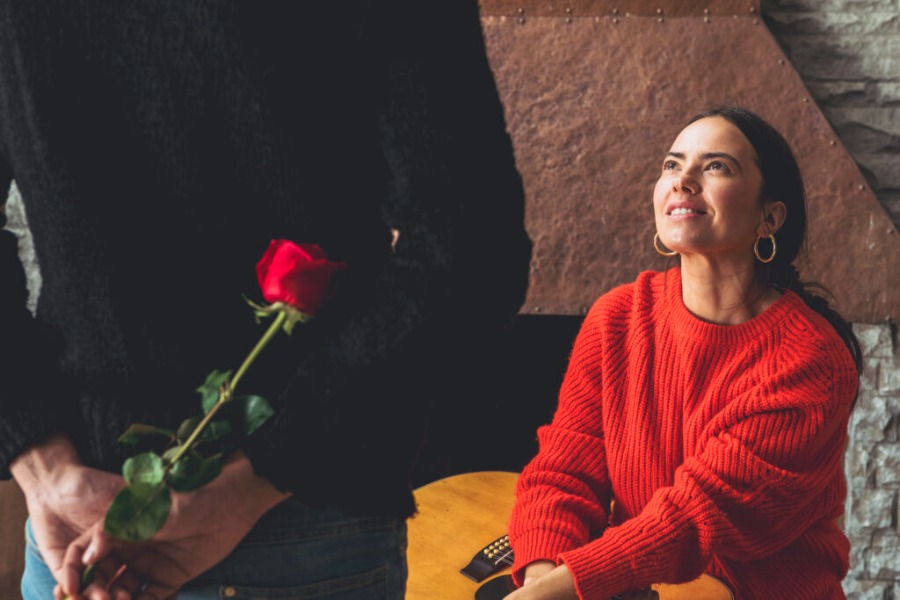
The persistent lesson for women is to stay available, making the need for space feel like a betrayal. This cultural guilt, rooted in being conditioned to prioritize connection over autonomy, forces women to fear disrupting their identity as the caregiver. Space is a psychological need; women must unlearn the guilt and partners must unlearn the entitlement. How can societal norms shift to recognize a woman’s need for solitude as an act of strength, not selfishness.?
Women have been taught many things about love, but perhaps the most persistent lesson is this: good women stay available. Available to soothe, to listen, to give, to adjust, to anticipate, to be emotionally present at all times. And this is precisely why, even today, so many women feel an overwhelming sense of guilt when they ask for space in a relationship—be it a few hours of silence, a solo weekend, or simply emotional breathing room. The guilt is not natural. It is cultural.
From girlhood, women are conditioned to value connection over autonomy. You can trace it back to the way daughters are raised—praised for being “considerate,” taught to share their toys, asked to compromise first in sibling fights, instructed to keep the family peace. Boys are told to explore the world; girls are told to maintain the home. This early emotional labour follows women well into adulthood, especially into romance. To want space is to disrupt the very identity society has built around them: the caregiver, the nurturer, the always-there partner.
In heterosexual relationships, this pressure intensifies because men are often not taught to carry emotional responsibility at the same depth. When a woman asks for space, she is not just taking a boundary—she fears she is creating a void her partner won’t know how to fill. The guilt, therefore, isn’t only about wanting time alone. It’s about worrying she is failing her role as the emotional anchor. Women are told, subtly and overtly, that if a relationship struggles, it is because they didn’t hold it together hard enough.
Pop culture has also romanticised the idea of constant togetherness. Movies portray “true love” as two people who want to be around each other endlessly. Female characters who seek solitude are often labelled cold, complicated, or “difficult to love.” Even modern Instagram therapy culture—ironically meant to empower—regularly pushes the idea that love requires continuous communication and emotional exchange, creating yet another performance standard for women to live up to. Wanting to be alone becomes something you must justify, defend, or soften with disclaimers: It’s not you, it’s me. I just need time to recharge. I love you, I promise.
But needing space is not a betrayal. It is a basic psychological need. Solitude fosters reflection, creativity, and emotional regulation—it helps individuals return to their relationships more grounded and present. Yet for women, wanting even a small slice of independence can feel radical. Many fear being misunderstood as disinterested or unloving. Others fear conflict. Some fear abandonment. And almost all fear being labelled selfish.
Part of this fear also comes from how women are socialised to experience their own desires—with caution. A man who wants space is seen as stoic or “sorting his head out.” A woman who wants the same is often viewed with suspicion. Is she bored? Is she done with him? Is she hiding something? The gendered double standard makes women second-guess themselves before they even articulate the need.
Compounding this is the internal pressure to be the “perfect girlfriend” or the “cool partner.” She should be independent, but not too independent. She should be loving, but not clingy. She should be emotionally supportive, but never burdensome. This constant tightrope walk makes asking for space feel like stepping out of line, even when it is necessary for her well-being.
But perhaps the biggest reason women feel guilty is this: they have rarely been given space without punishment. Many women carry memories of partners who sulked, questioned them, accused them of drifting away, or escalated into insecurity the moment they pulled back even a little. Over time, women learn to avoid the emotional cost of requesting space by simply not asking for it.
The truth is, healthy relationships depend on both closeness and distance. Intimacy thrives when individuals have room to return to themselves. Space is not a threat—it is an ingredient. Women do not need to apologise for needing what every human being needs: time, autonomy, solitude, and self-presence.
The work now is twofold. Women must unlearn the guilt, and partners must unlearn the entitlement. When a woman wants space, she is not pulling away from love. She is simply pulling inwards, gathering herself so she can come back not as a drained version of who she is—but as someone whole, rested, and real. And that is not selfish. That is strength.