Contact
  • Privacy Policy
  • Contact
  • Career
  • Write for Us
ANA Times
No Result
View All Result
Thursday, March 5, 2026
  • Login
  • Home
  • Culture
  • Opinion
  • News
  • Sports
  • Lifestyle
  • Entertainment
SAVED POSTS
PRICING
Subscribe
ANA Times
  • Home
  • Culture
  • Opinion
  • News
  • Sports
  • Lifestyle
  • Entertainment
No Result
View All Result
ANA Times
No Result
View All Result

Human Brain Banks: Unlocking the Future of Neuroscience Through Post-Mortem Donations

Dr. B.H.S Thimmappa by Dr. B.H.S Thimmappa
8 months ago
in Letter/Essay
Reading Time: 3 mins read
6
0
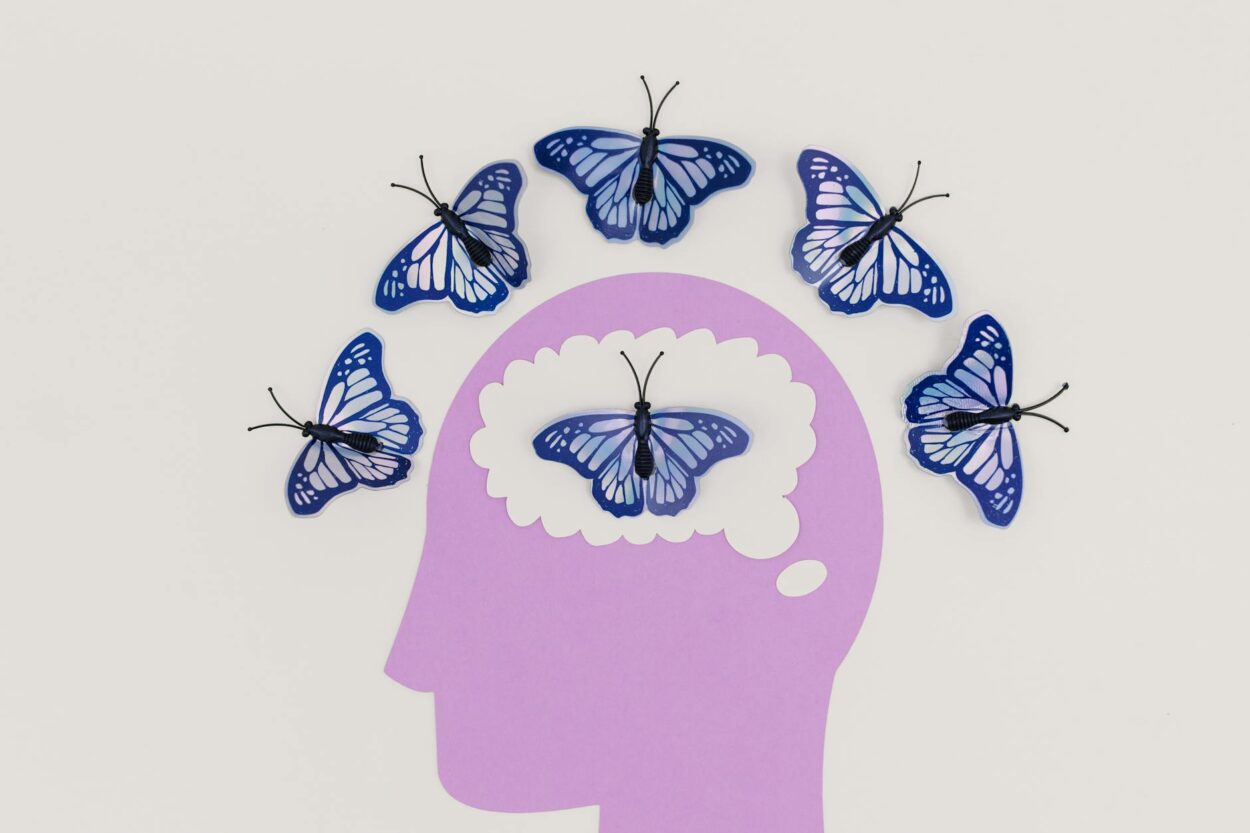
illustration of a head and butterflies around the scalp and inside the brain: Explore the vital role of human brain banks in advancing neuroscience. Learn how donated brain tissues support research on neurological disorders, promote public awareness, and pave the way for innovative treatments and diagnostics.

#image_title

5
SHARES
Share on FacebookShare on Twitter

The human brain is the main organ of the central nervous system (CNS) that controls many body functions, including thoughts, sensory interpretation, and body movement. It comprises the cerebrum, cerebellum, brain stem, and meninges. Billions of neurons in the brain communicate with each other through synapses.

RELATED POSTS

Career Pathways in Major Science Disciplines

How Smartphones Reshaped Human Connection and Reading Habits

Choice, Chance, and Change: The Role of Decision-Making in Life Transformation

A brain bank is a repository of post-mortem human brains to foster research into CNS structure, function, and neuropsychiatric disorders. The value and significance of brain banks lie in providing human post-mortem brain tissue and other biological materials for research purposes. The brain bank’s goal includes providing high-quality tissues/tissue fluids with pathological or clinical diagnoses to neuroscience researchers, enabling them to focus on studies with readily available material. The primary function of a brain bank is to store, catalogue, and distribute brain tissue samples to researchers. There are around 200 functional brain banks worldwide with collected samples from donors with neurological or cerebrovascular diseases.

These brain specimens and resource samples help neuroscience researchers better understand biochemistry, genomics, molecular etiology, and the neuropathology of complex neurological conditions. They also aid in learning more about how the brain works and discovering the causes of brain diseases. Next-generation brain banks must collaborate more closely with the public, promote brain donation programs for research, and meet the growing demand for brain tissue.

Researchers worldwide aim to increase our molecular-level understanding of the human brain to develop therapies for psychiatric and neurological disorders. It is better to study human brain tissue (the ultimate model) for realistic evaluation of biochemical processes rather than extrapolating results from animal studies to humans. Collaborations between brain banks, hospitals, neuropathologists, and research scientists will facilitate a deeper understanding of neurological diseases.

Brain donation can help discover the causes of neurological disorders such as memory loss, dementia, epilepsy, Parkinson’s disease, Alzheimer’s disease, brain tumors or cancer, stroke, autism, and disseminated sclerosis—helping to take preventive measures and choose better treatment options. A network of brain banks allows a coordinated process to meet tissue requests across multiple institutions, supporting research on brain and CNS disorders.

During life, a patient provides informed consent and registers for brain donation in the brain bank. A coordinator contacts the family and mortuary to get the next of kin’s permission to proceed with the donation. The brain is transported to the brain bank after the post-mortem. Technicians separate the two halves of the brain: the right half is preserved in a freezer (-80°C), and the left in a fixative (formalin), to meet the needs of different biochemical and molecular scientific techniques.

Subtle differences are observed through 5 mm slices or small tissue blocks due to different neurodegenerative diseases, which help confirm the diagnosis. A microscopic examination of fragile brain sections using immunohistochemistry (8 μm thick) reveals features crucial for diagnostic accuracy. Researchers can compare post-mortem neuroimaging and biomarker analyses with ante-mortem clinical diagnoses. Scientific research on brain tissue samples at molecular and cellular levels supports understanding brain diseases, developing new treatments for neuropsychiatric disorders, comparing human and animal brains, and studying the effects of therapeutic drugs and risk factors.

The Human Brain Museum at NIMHANS in Bengaluru has over 400 brain specimens. The donated brains are preserved in formalin and displayed on shelves, categorized by illness and head injuries. Some include placards sharing the story of the person’s death. The museum aims to raise public and student awareness about brain anatomy, health, and function through guided tours. Visitors can even touch and feel a real human brain. It also showcases the brains of birds and animals like monkeys, cows, parrots, and snakes.

Organ donation is not yet common in India. The main factors in initiating brain banking include public education, infrastructure development, technical expertise, and trained personnel. We must focus on upgrading and expanding this field with professionalism and quality assurance. A brain bank administrator oversees daily operations: managing donations, verifying forms, storing samples, and maintaining clean facilities.

Brain banking will continue to be a vital biorepository for neuroscience research. In the future, they will collaborate with other organ banks and medical institutions to increase access to post-mortem brain tissue. Public education on the benefits of tissue banking, leveraging future technologies in biochemistry and molecular biology, resolving ethical/legal issues, encouraging donor registration, and creating networks for tissue and knowledge sharing will significantly aid diagnosis and treatment development.


Tags: Brain BanksCultureessaysFuture of NeuroscienceLettersPost-Mortem
Share2Tweet1
Dr. B.H.S Thimmappa

Dr. B.H.S Thimmappa

B.H.S. Thimmappa is a seasoned chemistry professional with extensive experience in developing and implementing educational technology tools and their applications in the classroom. He has authored more than seventy research papers in peer-reviewed journals, comprising ten commentaries on breakthrough research articles, seven book chapters, two books, two single-author major review articles, and several educational research articles. Related books have widely cited some of his articles, stimulating further research and teaching. He writes mainly about higher education perspectives and has published 21 poems. His poetry-related work has been published in Muse India, The Criterion, The Creative Launcher, Indian Periodical, and Contemporary Literary Review India journals.

Related Posts

Explore the diverse career pathways and educational scope of major science disciplines, including Biology, Chemistry, Physics, Mathematics, and Computer Science. Learn how interdisciplinary research and higher education drive innovation and solve global challenges in today's evolving professional landscape.
Science

Career Pathways in Major Science Disciplines

January 21, 2026
A reflective essay on how smartphones have quietly transformed human interaction, reading behavior, education, and daily life—questioning whether mobile technology truly represents progress or silent isolation.
News

How Smartphones Reshaped Human Connection and Reading Habits

January 14, 2026
Choice Capsule explores the power of choice, chance, and change in shaping life, careers, productivity, and personal growth—offering a practical framework for better decisions, resilience, and fulfilment.
Culture/Identity

Choice, Chance, and Change: The Role of Decision-Making in Life Transformation

January 11, 2026
Nick Reiner's Schizophrenia and medication changes affect him, worsening his overall condition.
News

Nick Reiner’s Schizophrenia Diagnoses & His Medication Changes

December 21, 2025
Prime Minister Narendra Modi receives Oman’s highest civilian honour during his Muscat visit, signs a major India–Oman trade pact, and adds another milestone to his global recognitions.
News

28+ Counting… Modi Receives Oman’s Highest Honor During Historic State Visit to Muscat

December 19, 2025
A heartfelt review of Jesus and Me by Julia Orozco Castro, an intimate poetry book where faith, vulnerability, and human emotion meet through simple, comforting words.
Reviews

Jesus and Me Book Review: Julia Orozco Castro’s Poetic Journey of Faith and Healing

Next Post

Neglected Heroes of the Past: Unsung Men Who Chose Courage, Wisdom, and Righteousness

Please login to join discussion

Recommended Stories

Poured Blue Soda All Over My Life

December 9, 2025
An exclusive interview with a decorated Wushu champion—Asian gold medalist, world runner-up, international competitor, coach, and referee—who shares his early life, achievements, training philosophy, and advice for aspiring athletes.

An Interview with Iranian Wushu Athlete Farshid Asadian

December 12, 2025

Velp Memories: A Gifted Childhood, Silent Fields, and the Paranormal Shepherd

December 9, 2025

Popular Stories

  • Read the full 1200-word review of Dhurandhar (2025) — Aditya Dhar’s grand, myth-infused action epic starring a powerhouse cast. Release date, themes, music, cinematography, and verdict inside.

    Dhurandhar Review: A Mythic Modern Epic

    71 shares
    Share 28 Tweet 18
  • Eugenia Cooney 2025: The Anorexic Influencer

    52 shares
    Share 20 Tweet 13
  • Popular 80+ OTT web series actress names: Leading Stars

    45 shares
    Share 18 Tweet 11
  • Top 40+ Ullu Web Series Actress Names [Updated]

    43 shares
    Share 17 Tweet 11
  • Customer Care Numbers for VI, BSNL, Jio & DTH

    35 shares
    Share 14 Tweet 9
ANA Times

ANA Times (Asian News & Analysis), your trusted source for in-depth news analysis, trending stories, expert insights, and cultural perspectives across Asia and globally.

Recent Posts

  • होली और युवकों की छिछोरी – बदलती होली की सच्चाई
  • Iran’s Supreme Leader Khamenei Killed In Strikes
  • The Morning That Turned ‘Gulf’ Into a Regional Warzone

Newsletter

© 2025 ANA Times. All Rights Reserved.

Welcome Back!

Sign In with Google
OR

Login to your account below

Forgotten Password?

Retrieve your password

Please enter your username or email address to reset your password.

Log In
No Result
View All Result
  • Lifestyle
  • Sports
  • News
  • Opinion
  • Entertainment
  • About Us
  • Career
  • Write for Us
  • Privacy Policy
  • My account
  • Home
  • Culture
    • Fiction
    • Poetry
  • Login
  • Cart

© 2025 ANA Times. All Rights Reserved.

Are you sure want to unlock this post?
Unlock left : 0
Are you sure want to cancel subscription?