
Wandering through the shopping streets, we experience the conflict between marketing and time. Where we once lived by the sun’s rhythm, we are now prisoners of the clock and logistical systems. This article explores how the invention of time and the psychology of the marketingmix drive our consumer behavior. Discover how to reclaim control over our most precious asset.
What a joy it is to wander through a random shopping city on a free day. Simply staring ahead, observing the crowd, and drifting from one shop to another. You find yourself looking at things you don’t actually need, comparing prices, and occasionally—yes, me too—failing to resist the temptation to buy. Store owners and major retail chains do everything in their power to ensure we keep reaching for our wallets. Marketing: the magical process of suffering and seduction.
The Psychology of the Scent: The HEMA Rookworst Effect
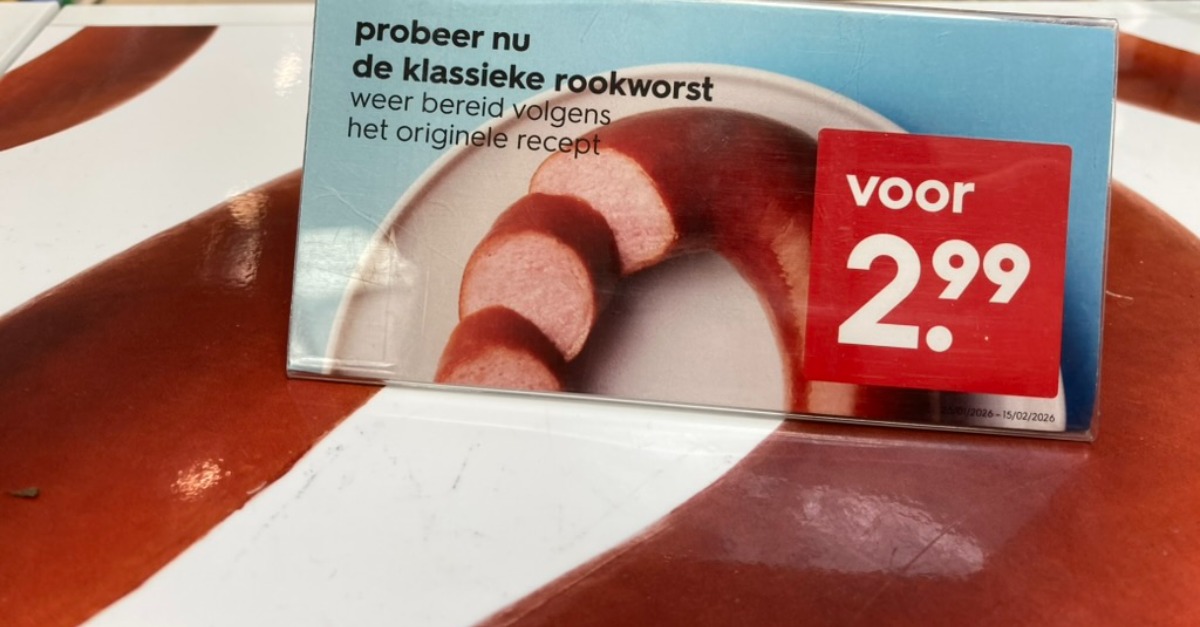
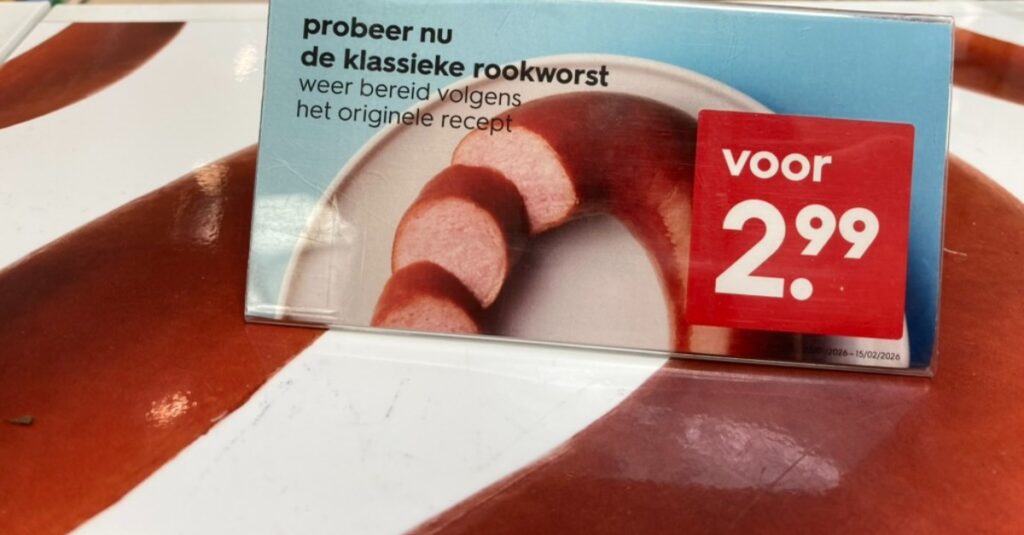
The shopping street is, in fact, a vast psychological laboratory. We believe we walk through these streets of our own free will, but in reality, we are guided by colors, scents, and subtle psychological nudges. Take, for example, the iconic HEMA rookworst. The scent alone is enough to trigger a Pavlovian response in almost every Dutch shopper. It is the ultimate “sensory anchor”—a warm, salty promise of tradition that bypasses our rational brain and leads us straight to the counter. The marketer seeks to bypass our logic and appeal directly to our instincts, turning a simple smoked sausage into a symbol of domestic comfort.
Seduction or Suffering: The Power of the Marketing Mix
I recently read the book “De tijd, de waarheid, en onze geschiedenis” (Time, Truth, and Our History) by Piet de Rooy. I see myself and the history of humanity reflected deeply in his words. For me, time is intrinsically linked to logistics—a core component of the classic “Four Ps” of the marketing mix: Place, Product, Promotion, and Price.
“Place” asks: Where does it come from? Where must it go? Which spot in the store or which shelf will it occupy? It is all designed to ensure the product catches our eye and creates a perceived necessity to trade our hard-earned salary or benefits for it. Today, marketing has evolved beyond those four Ps; it has become a battle for our most valuable asset: our attention. In a world where everything is accessible, it is not the product that is scarce, but the time we have to consume it.
The Consumption Paradox: Working for Scarce Time
An interesting paradox arises here. While marketers tempt us to buy more, our time becomes increasingly scarce. We must work to consume, but because of that work, we no longer have the time to truly enjoy what we have purchased. We are caught in a cycle of “must-have” and “want,” with the marketing machine acting as the engine driving us forward. Every purchase promises a moment of happiness, yet the clock ticks relentlessly toward the next obligation.
The Invention of Time: Becoming Slaves to the Clock
Time is a broad concept. Does time, as we think we know it, even exist? Is it truly twenty-four hours in a day or seven days in a week? De Rooy explains how these “constructs” came to be. It began because people started contemplating the orbits of the moon and the sun around our planet. This led to years, months, days, hours, and minutes. Until about a thousand years ago, humans had no need for such precision.
To the modern human, this is almost unimaginable. We live by the grace of our calendars. We have “deadlines,” “leisure time,” and “quality time.” All these terms suggest that time is something we can possess, categorize, or lose. In the Middle Ages, this was fundamentally different. The church bell set the rhythm, but that rhythm was organic. Hours were longer in the summer than in the winter simply because there was more daylight. Nature dictated terms; man was a part of time, not its manager.
The Industrial Revolution: The Necessity of Standardized Time
The arrival of the steam train was the final blow to natural time. In the past, every city had its own local time based on the sun’s position. This was fine for a barge, but a disaster for a train schedule. A “universal time” became a logistical necessity. To serve trade and industry, we traded the sun for standardized time. The clock became an instrument of economic power.
Closing the Circle: The Consumer as the Logistical Endpoint
Now that we have standardized everything—time, logistics, and even our buying habits—we find ourselves back in the shopping street. The circle that began with the first division of day and night ends with a QR code on a department store shelf.
The “Hollandsche Eenheidsprijzen Maatschappij Amsterdam” (HEMA) was a perfect example of this: unity in price, unity in supply, and thus unity in our perception of what is “necessary.” We have lost control over our own time to the systems we built to make life easier. We rush from appointment to appointment, seduced by marketing into buying things that should save us time, only to work harder to pay for them.
Slowing Down: Returning to Wonder
Perhaps true freedom is found on that day off in the city—not in the purchases we make, but in those moments of aimless staring. In those moments, there is no marketing mix, no logistical process, and no ticking clock. Even the simple act of eating a rookworst becomes a rebellion against the clock; it is a timeless taste in a fast-paced world.
We become, for a moment, like the humans of a thousand years ago who looked at the moon in simple wonder, without ever asking what time it was. In that silence, far from the shelves and the “special offers,” we reclaim the time we thought we had lost.