

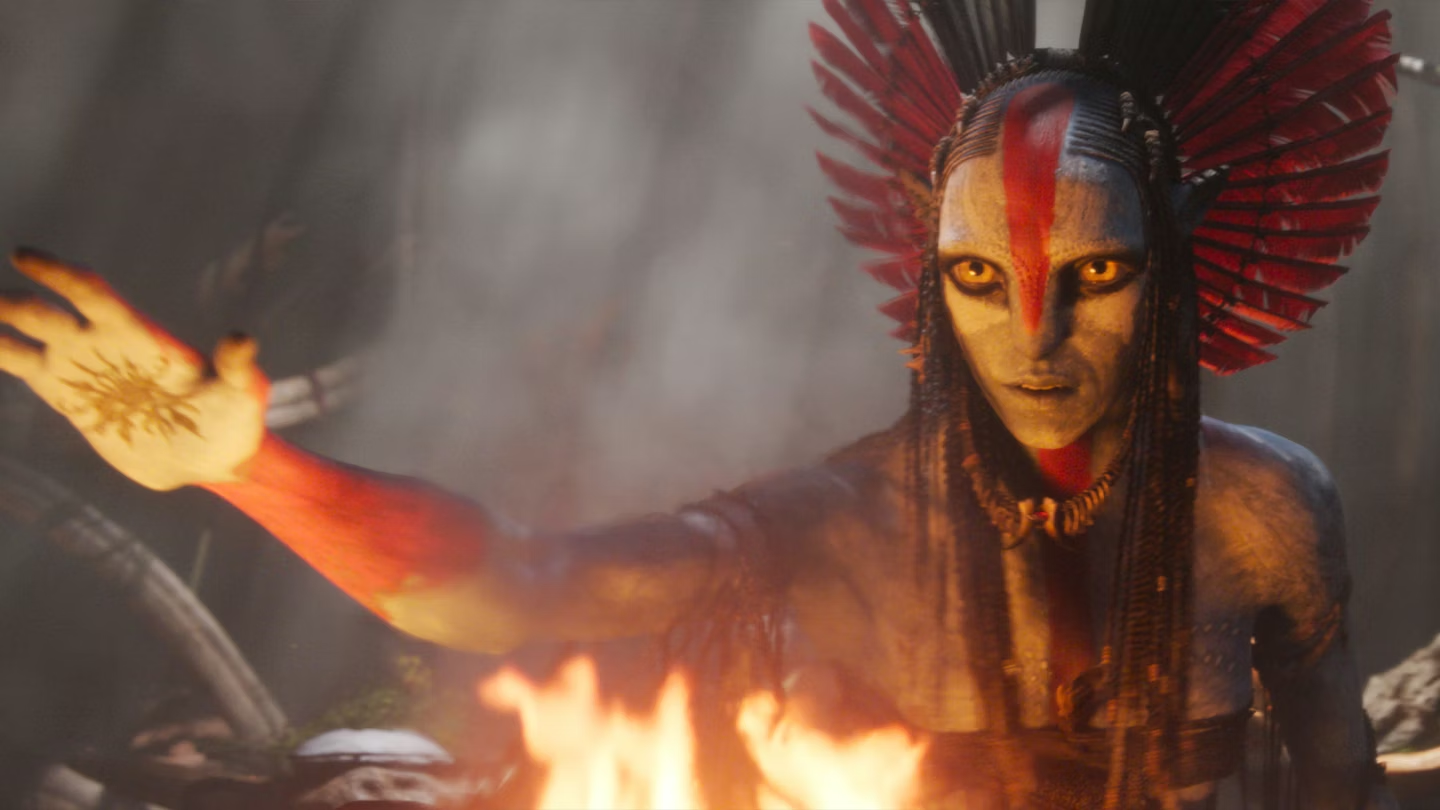
Avatar: Fire and Ash marks another ambitious step in James Cameron’s long-term vision for Pandora. After the emotional and ocean-focused journey of The Way of Water, this chapter shifts toward a harsher, more volatile side of the world. The film immediately signals a darker tone, both visually and emotionally, while still holding onto the sense of wonder that defines the Avatar franchise. Moreover, the film critics called it a dull hunk of nonsense. Moreover, others said screensaver graphics.
Let’s deep dive into the latest reviews on box office about Avatar 3. Also, let’s discuss whether you should watch it and why critics called it the worst-rated film in the Avatar franchise.
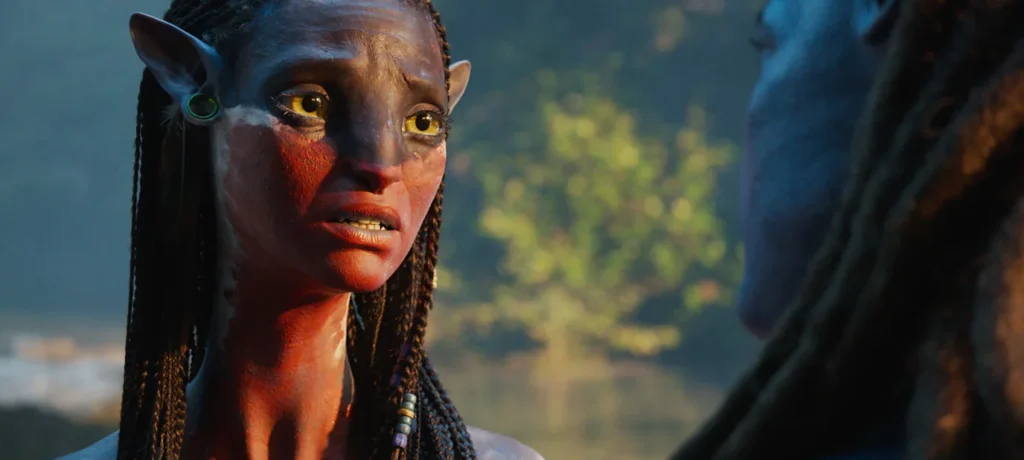
Avatar 3: Fire and Ash Review
The story introduces the Ash People, a Na’vi clan shaped by fire, volcanic landscapes, and survival under extreme conditions. Through them, Cameron explores conflict from a new angle. Instead of framing humans as the only aggressors, the film examines internal divisions among the Na’vi themselves. This shift adds complexity to the narrative and challenges the earlier black-and-white moral structure of the series. According to early production notes shared by Empire Magazine, Cameron wanted this chapter to feel morally “uncomfortable”, pushing audiences to rethink loyalty and identity.
Visually, Fire and Ash is stunning in a completely different way from its predecessors. Lava fields, scorched forests, and ash-filled skies replace the glowing blues and greens of earlier films. Cameron’s use of cutting-edge visual effects once again sets a new industry benchmark. As reported by Variety, the film uses advanced motion capture and environmental rendering to make fire behave as realistically as water did in the previous instalment. The result feels immersive, intense, and sometimes overwhelming—in the best way possible.
Furthermore, the emotional core of the film remains grounded in family and belonging. Jake Sully and Neytiri face new threats but also deeper internal struggles. Their children continue to grow into central characters, each responding differently to the rising chaos. This focus on generational conflict gives the story weight and helps balance the large-scale spectacle with intimate moments, a technique Cameron has long mastered (The Hollywood Reporter).
Performances across the cast feel more restrained yet impactful. The Ash People leaders, in particular, bring a raw and unpredictable energy to the screen. Rather than villains, they come across as survivors shaped by loss and harsh environments. This nuance makes the conflict feel more real and emotionally charged. Critics who attended early previews told Screen Rant that these characters could become some of the most memorable in the Avatar saga.
The pacing of Fire and Ash is deliberate. While some viewers may find the slower middle sections demanding, the buildup pays off with a powerful final act. Cameron uses silence, environmental sound, and long visual stretches to let the world speak for itself. This approach may not suit everyone, but it reinforces the film’s themes of destruction, resilience, and rebirth.
At its heart, Avatar: Fire and Ash is about consequences. It explores what happens when survival hardens cultures and when fear reshapes values. The film does not offer easy answers but instead invites reflection. As Cameron explained in an interview with Deadline, this chapter is designed to prepare audiences for even more complex moral territory in future Avatar films.
Avatar: Fire and Ash stands out as a visually groundbreaking sci-fi film, a mature expansion of the Avatar franchise, and a story-driven exploration of conflict, culture, and environmental extremes on Pandora. With its bold themes, volcanic visuals, and emotionally layered storytelling, the film reinforces James Cameron’s reputation for pushing cinematic boundaries while keeping human emotion at the centre of epic science fiction. The movie had a $340M-$365M global box office opening weekend. and has received the lowest rating (70%) of the franchise rating from Rotten Tomatoes.
Peter Bradshaw from the Guardian: “[…] witchy new sex interest can’t save this gigantically dull hunk of nonsense.” Read his full movie review here. He gave only two stars out of five. On the other hand, Nicholas Barber from BBC gave it 1 star and called them screensaver graphics. “197 minutes of screensaver graphics, clunky dialogue, baggy plotting and hippy-dippy new-age spirituality” – BBC.
FAQs
The Review
Avatar: Fire and Ash
Overall, Avatar: Fire and Ash sits at an interesting crossroads. It is undeniably a visual spectacle and a box-office force, yet its mixed critical response highlights a widening gap between technical achievement and narrative satisfaction. For fans of the franchise and big-screen world-building, it remains a must-watch, but for some critics, the film confirms concerns that visual innovation alone may no longer be enough to sustain the Avatar phenomenon.
PROS
- The film expands the Avatar universe into darker, volcanic regions of Pandora and explores deeper themes of conflict, culture, and environmental extremes.
- The film expands the Avatar universe in a more mature direction, using environmental extremes and internal Na’vi divisions to push the story beyond its earlier moral simplicity.
CONS
- New character dynamics fail to energize the story.
- Rotten Tomatoes, the film holds around a 70% rating, making it the lowest-rated installment in the Avatar franchise so far.
Review Breakdown
-
70% Lowest-rated film in the Avatar franchise so far
-
Called it “a gigantically dull hunk of nonsense”
-
Described it as “197 minutes of screensaver graphics”